
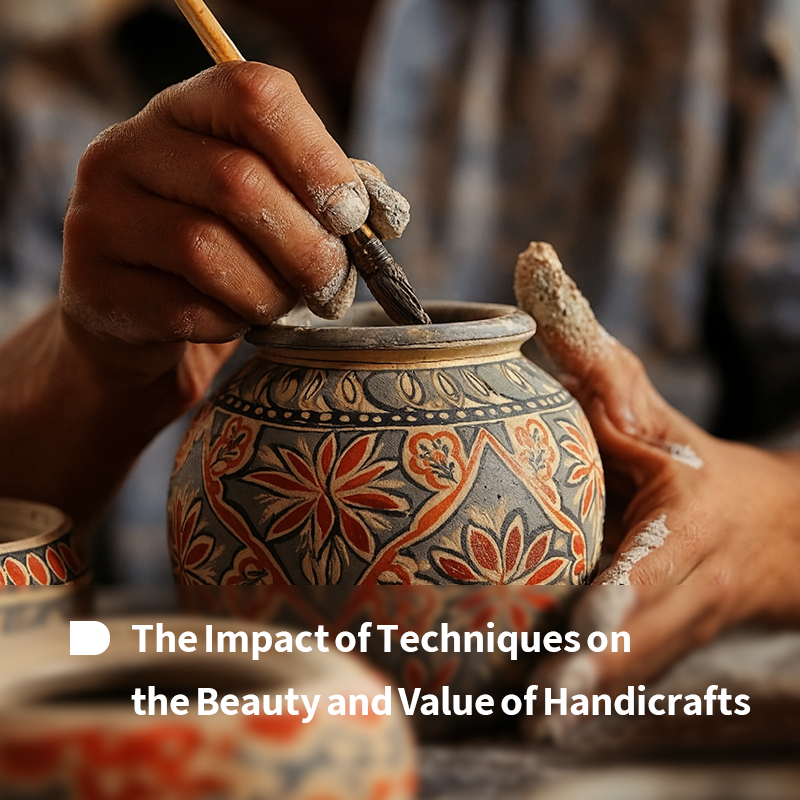
The Impact of Design Techniques on the Beauty and Value of Artworks and Handicrafts
Handicrafts: The Impact of Design Techniques on Beauty and Value
Handicrafts are far more than a combination of raw materials and technical skills; they are the visual language of a culture. What makes a handmade piece distinctive, memorable, and valuable is the way it is designed and the techniques an artist chooses to express their vision. Design serves as a bridge between the artist’s mind and the emotions of the viewer, playing a fundamental role in the beauty, identity, and valuation of an artwork.
Design: The Visual Identity of an Artwork
In handicrafts, design is the artist’s signature. Even before viewers notice the finer details, the overall design of a piece communicates its message. The harmony between form, pattern, color, and texture gives an artwork its distinctive character.
A thoughtfully designed piece conveys a sense of trust, quality, and authenticity. This perception lays the foundation for an emotional connection between the viewer and the artwork—an important element in artistic branding.
The Role of Composition in Visual Beauty
Good composition allows the viewer’s eye to move naturally across the surface of an artwork without confusion. In handicrafts, the arrangement of elements should be carefully balanced so that the piece feels neither cluttered and chaotic nor overly simple and lifeless.
An artist who understands the principles of composition knows where to concentrate patterns and where to leave space. This visual balance conveys a sense of harmony and refinement and is one of the key factors that distinguishes a professionally crafted artwork from an amateur piece.
Color: Beyond Aesthetic Appeal
Color in handicrafts is not used merely to make an artwork beautiful. Every color carries meaning, emotion, and even cultural heritage. A thoughtful choice of colors reflects an artist’s deep understanding of design.
Color harmony, controlled contrasts, and purposeful repetition can bring an artwork to life and make it more impactful. Pieces with a strong and intelligently curated color palette tend to remain longer in the viewer’s memory, and this lasting impression can strengthen the value of an artistic brand.
Form and Structure: The Viewer’s First Impression
Form is the first element the eye perceives. Even before understanding the patterns or colors, the overall structure of an artwork captures the viewer’s attention. The design of the form must be aesthetically compelling while also being appropriate to the intended function of the piece.
In pottery, ceramics, and other three-dimensional art forms, proportions, the curvature of lines, and structural strength all reflect the quality of the design. A well-designed form communicates a sense of craftsmanship, professionalism, and high value.
Patterns and Motifs: The Visual Narrative of an Artwork
Patterns in handicrafts are more than decoration; they tell stories. The repetition of motifs, visual rhythm, and relationships between different elements can convey profound meanings.
Patterns inspired by nature, mythology, or traditional motifs become particularly valuable when combined with the artist’s personal perspective. This fusion of tradition and creativity creates artworks that are both deeply rooted in heritage and relevant to the contemporary world.
Creativity in Design Techniques
Successful artistic brands do not simply repeat patterns from the past. They preserve their authenticity while continuously developing their own visual language. Creativity in design can be expressed through the choice of forms, the combination of colors, or even the intentional simplification of traditional motifs.
This innovation creates distinction, and distinction is one of the key elements in both valuation and branding. Audiences seek artworks that they cannot find replicated everywhere else.
Design and the Perception of Quality
Even viewers without specialized knowledge of art can sense the quality of a design. The harmony of elements, precision of execution, and attention to detail all communicate a sense of superior quality.
This subjective perception of quality has a direct influence on purchasing decisions. Good design encourages viewers to place greater value on an artwork and makes a higher price feel justified.
The Impact of Design on Artwork Valuation
In the valuation of handicrafts, design is one of the primary criteria. An artwork with strong design can achieve significant value even when created with relatively simple materials.
Professional design reflects the time, thought, and experience invested in creating a piece. This, in turn, enhances both its artistic and economic value, making it an appealing choice for collectors and those seeking long-term value.
Design as a Branding Tool
Design plays a central role in handicraft branding. A distinctive design language makes the works of a brand recognizable. When viewers can identify an artwork without seeing the brand name, design has successfully become part of the brand’s identity.
This visual identity builds trust and makes the brand more memorable. Brands that invest in design are often able to establish deeper and more meaningful connections with their audiences.
The Timelessness of Design
Artworks with balanced and thoughtfully considered designs are less affected by short-lived trends. They retain their value over time and may even become more valuable as the years pass.
Good design transforms an artwork into something enduring—something that goes beyond being merely a consumer product. This sense of timelessness lies at the heart of artistic branding.
Conclusion
Design techniques form the backbone of beauty and valuation in handicrafts. Good design does more than enhance the visual appeal of an artwork; it creates its identity, meaning, and value.
For artists and handicraft brands, paying attention to design is not a choice; it is a necessity. Ultimately, it is design that distinguishes an artwork from thousands of similar products and transforms it into a meaningful part of culture, memory, and the lives of its audience.


